
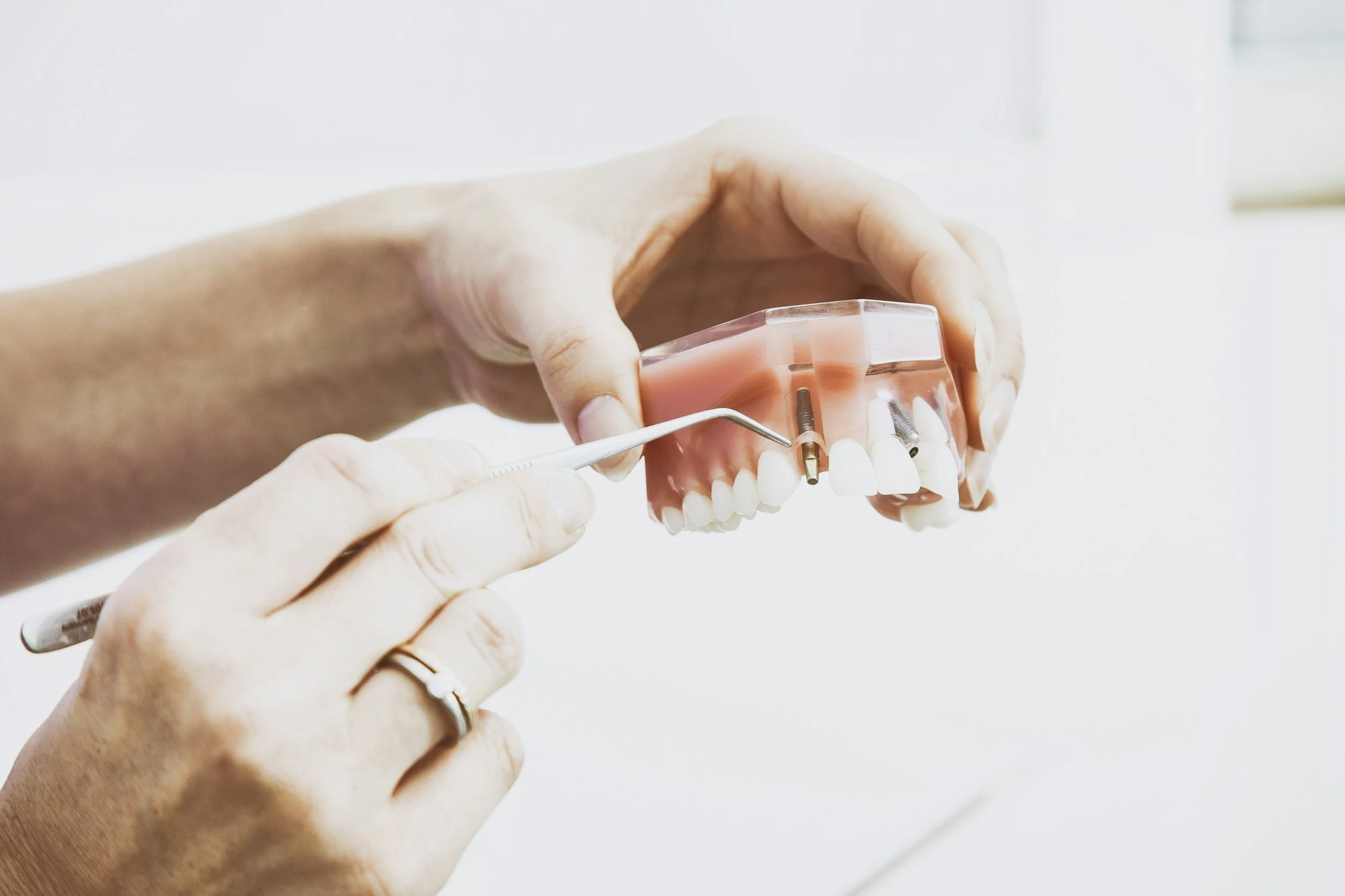
Single Implant in the Aesthetic Zone
Restoring missing teeth in the smile line, where the result needs to be seamless.
Overview
When a front tooth is missing, the bar for success is higher than anywhere else in the mouth.
A single implant in the aesthetic zone must do more than replace a tooth. It must replicate the natural gum contour, emergence profile, and visual integration, making the result indistinguishable from the surrounding dentition. At Australian Periodontal Group, this is the standard we work to on every anterior case.
Why the Aesthetic Zone Demands a Different Approach
Success here isn’t measured by osseointegration alone; it’s measured by how natural the result looks at five years, ten years, and beyond.
Every decision influences the final outcome: implant position, tissue management, the timing of the provisional, and how the case is handed to the restorative team. When these elements are coordinated from the start, the implant becomes part of the smile — not a replacement within it.
Our Approach
Every anterior implant case at Australian Periodontal Group is planned with a restorative outcome in mind from the outset, not retrofitted to whatever space remains after surgery.
We use contemporary grafting techniques and advanced surgical protocols to preserve and recreate the natural gingival architecture around the implant
Partial extraction protocols - the socket shield and root membrane techniques retain a portion of the natural root to preserve the buccal plate and prevent the soft tissue collapse that follows extraction
Connective tissue grafting - autogenous tissue is the gold standard we use to maintain tissue volume, support the interdental papillae, and create a stable long-term gum contour
Custom healing abutments - form-fitted shapes, custom-made to the exact outline of the extraction socket, to support the tissues from the very beginning
3D treatment planning - implant position is determined by the ideal emergence profile, not the other way around
Minimally invasive technique - flapless approaches used where possible to reduce swelling and preserve gingival architecture
Case Study
Single implant placement using Partial Extraction Protocol to maintain tissue contours.
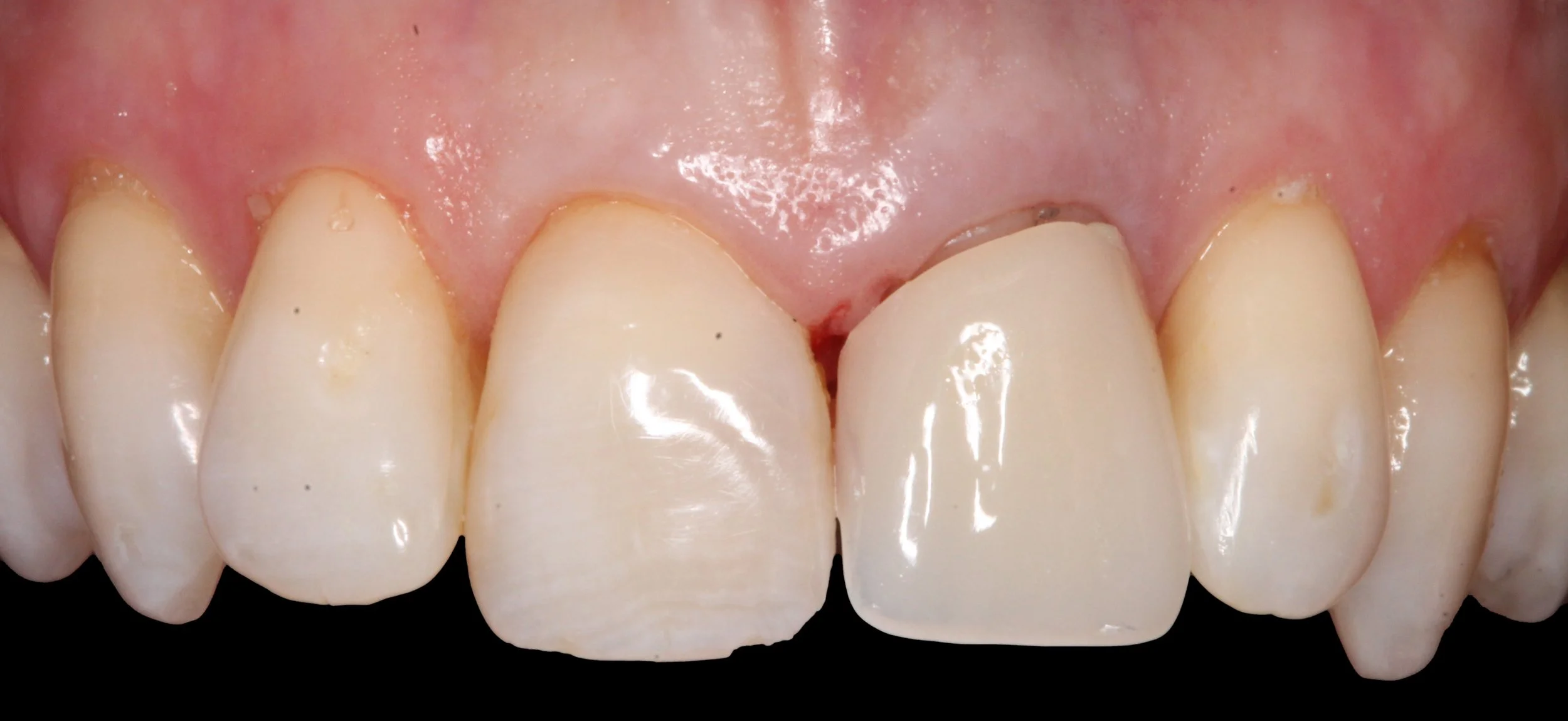
Prior to treatment
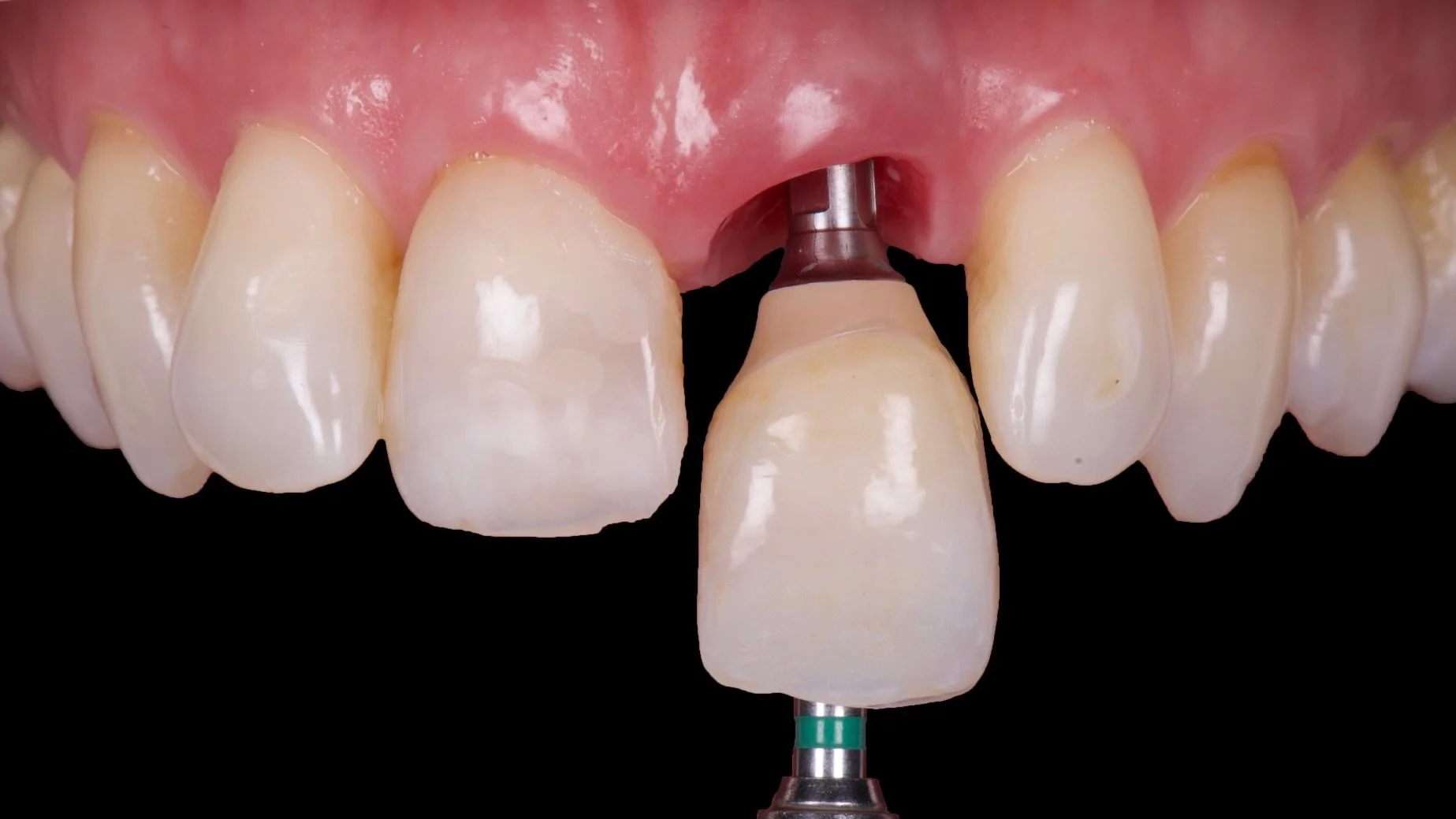
Single implant placement
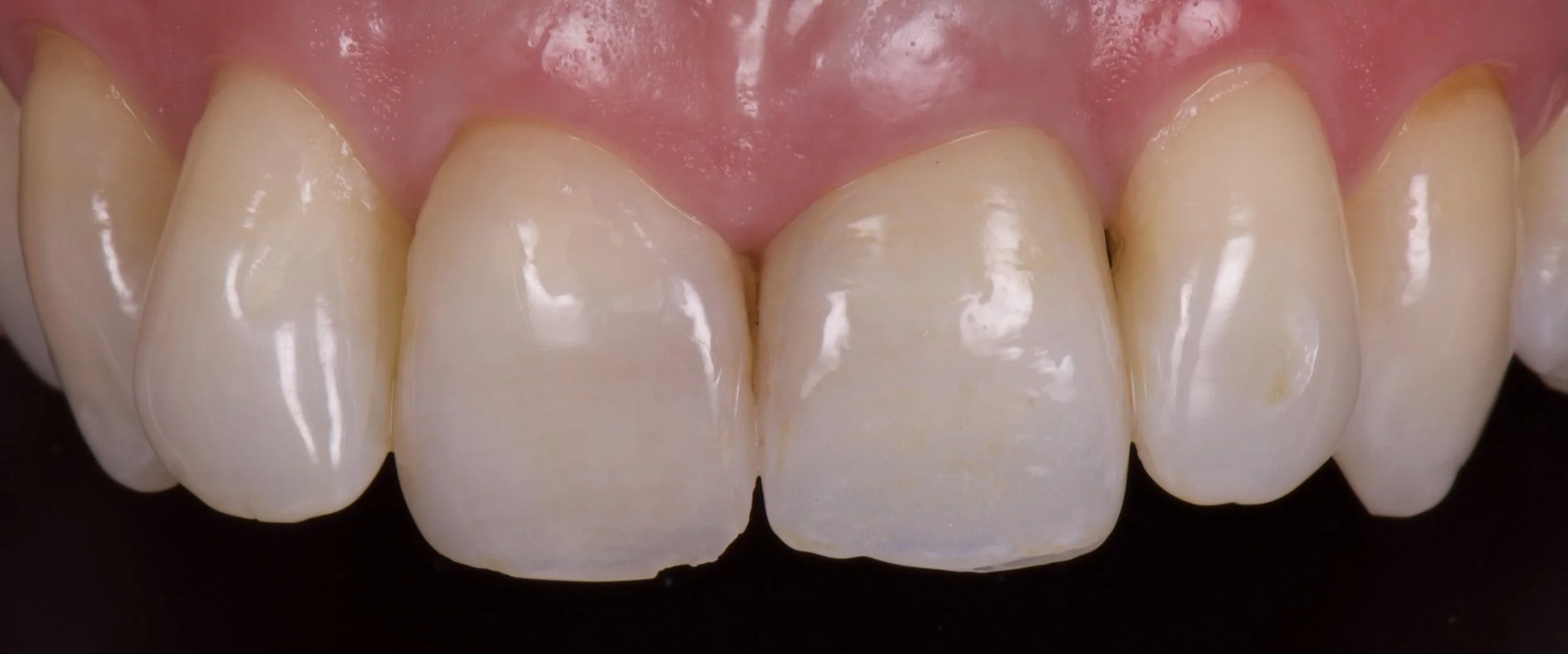
Completed implant
Where conditions allow, we place the implant and deliver a fixed provisional crown within 24 hours.
This immediate approach preserves the soft-tissue architecture from the moment of extraction, maintaining the papillae, supporting the emergence profile, and providing the final restoration with the natural frame it needs. Patients leave with a fixed tooth, not a gap.
Not every case qualifies. Immediate placement requires primary implant stability and careful occlusal management.
Each case is assessed on its merits, and candidacy is discussed openly with referring clinicians.
Immediate Implant Placement - A Fixed Tooth on the Day
Working With Your Restorative Team
An anterior implant is a team effort, and we treat it that way from day one.
We co-plan treatment with your restorative dentist or prosthodontist before surgery begins. The implant position, emergence profile, and provisional strategy are agreed in advance. After each appointment, we provide a detailed written report, and we welcome direct clinician-to-clinician contact throughout.
Our role is to deliver the surgical and periodontal foundation. The final restoration is yours. Getting that handover right is what produces a result that lasts.
The Treatment Process
Every anterior implant case is individual, but the approach follows a consistent, carefully staged process.
-
Clinical examination, review of radiographs and cone beam CT. We discuss all options, candidacy for immediate placement, timing, and the expected final result.
-
A detailed plan is shared with the patient and communicated to the referring clinician. Surgical guide design and restorative planning are coordinated before treatment begins.
-
Implant placement, grafting, and provisional delivery are performed with precision and minimal disruption to surrounding tissues. In the appropriate cases, the patient can have a fixed provisional tooth attached to the implant within 24 hours.
-
The gum tissue matures around the provisional crown over 12 weeks, sculpting and supporting the natural architecture before the final restoration is placed. Your patient is then returned to your care for the definitive crown.
-
Long-term success depends on regular monitoring. We provide clear follow-up protocols and coordinate ongoing periodontal maintenance to protect the result.
Is This the Right Treatment for Your Patient?
A single implant in the aesthetic zone may be appropriate where a front tooth is missing or failing, and the surrounding tissues can support a predictable outcome.
A specialist consultation is essential to assess bone volume, soft-tissue quality, occlusal considerations, and the optimal timing of treatment. In many cases, early referral, before or at the time of extraction, allows for better tissue preservation and a more predictable long-term result.
Our Team
Our clinicians are registered specialists with advanced postgraduate training in periodontology, implant dentistry, and prosthodontics.
Many are also actively involved in teaching, research, and professional education.
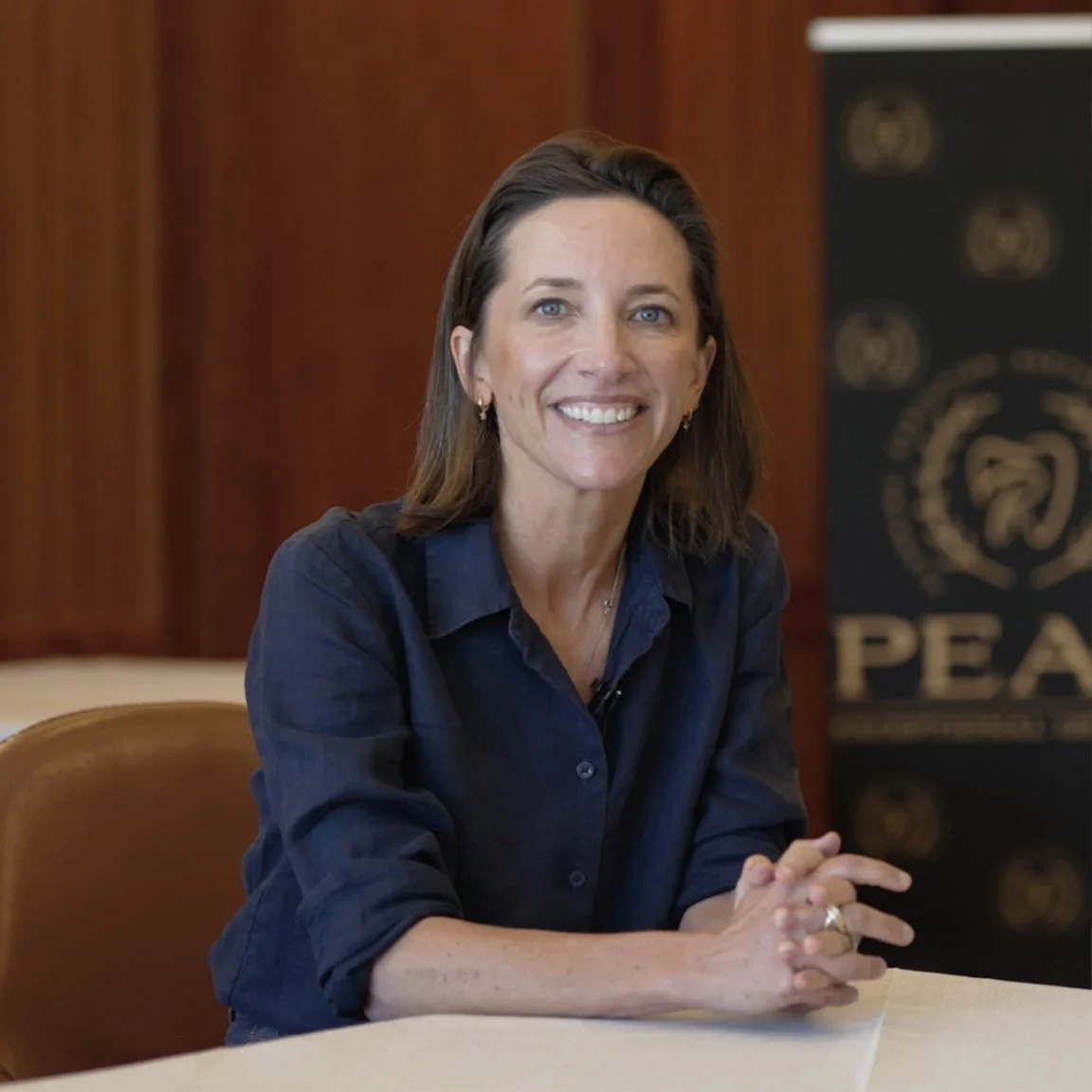
Dr Sara Byrne
Specialist in Periodontology and Implant DentistryDr Byrne attained her Bachelor of Dental Science with Honours from The University of Melbourne in 2000. She worked in general dental practice in Melbourne until 2006. She completed her speciality training in the field of Periodontology and Implant dentistry at New York University in 2010. She is a Diplomat of the American Board of Periodontology.
-
Dr Byrne is a member of the Australian and New Zealand Academy of Periodontists, Australian Society of Periodontology, Australasian Osseointegration Society, American Academy of Periodontology and the Australian Dental Association.
Along with specialist private practice Dr Byrne is involved in undergraduate education at The University of Melbourne and previously Sydney University. She has lectured nationally and internationally in the field of implant dentistry and has published in the Journal of Periodontology.